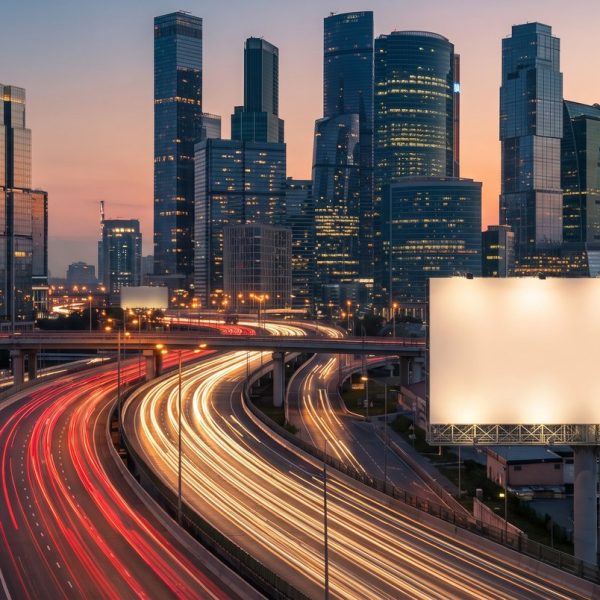
Drive along any major road in Dubai at dusk and you will see why brands keep returning to the skyline. Screens glow above multi-lane highways, towers carry full-height wraps, and every junction competes for a few seconds of attention. Billboard advertising in Dubai is among the most visible ways to reach a city of residents, commuters and visitors, but visibility alone does not guarantee results. A campaign that works here is planned with the same care as any digital channel.
This article walks through how to approach the format: choosing locations, shaping the message, handling language and measuring what happens afterwards. It is written for marketers and business owners who are weighing outdoor against other channels.
Why outdoor still earns its place
Digital feeds are crowded and easy to scroll past. A large format on a busy road cannot be skipped, muted or blocked. It builds familiarity, and familiarity makes every other touchpoint work harder. When someone sees your brand on a roadside screen in the morning and then meets it again in a search result at lunch, the second encounter feels like recognition rather than a first introduction.
The UAE market adds its own strengths. A highly mobile population, long commutes and a culture of dining, shopping and events mean that people are out and about a great deal. Outdoor placements meet them where they already are. If you are comparing formats, it helps to understand the wider options in how display advertising works and which ad types to try, since outdoor often performs best alongside online display.
Choose locations by journey, not by size
The biggest billboard is not always the best one. Think about who passes the site, at what speed and at what time of day. A fast highway needs a very short message that can be read in two or three seconds. A slower retail district can carry a little more detail. Sites near business hubs reach professionals on weekdays, while those near malls and leisure areas perform better at weekends.
Ask your media partner for traffic direction, typical dwell time and lighting conditions after dark. A creative that looks bright on a computer screen may disappear against a sunlit sky, and one that glows at night can look washed out at noon. Visit the site yourself if you can. The Wikipedia entry on billboards gives a useful overview of formats such as static panels, digital screens and unipoles if the terms are new to you.
Write less than you think you need
The most common mistake is trying to say everything. A good roadside message has one idea, one visual and one clear brand name. Aim for around seven words or fewer, use a strong contrast between text and background, and choose a typeface that stays legible at distance. If you want people to take action, give them something they can remember in a glance: a short web address, a memorable name, or a simple phrase.
Test your design by shrinking it to the size of a postage stamp and looking at it from across the room. If the message is still clear, it will probably survive a moving car.
Get the language and culture right
Dubai is one of the most multilingual cities in the world. English is widely used in business and advertising, Arabic carries cultural weight and legal expectations, and many communities respond best to Hindi, Urdu, Tagalog or Russian. Decide who you are speaking to before you decide how. A bilingual layout in English and Arabic is common, but it must be designed properly, with right-to-left text handled correctly rather than flipped as an afterthought.
Literal translation is a trap. Slogans rely on rhythm, humour and cultural references that rarely survive a word-for-word conversion, and an unfortunate phrase on a giant screen is painfully public. This overview of brand translation mistakes when localizing advertising shows how even well-known names have stumbled, and why local review is worth the small extra cost.
Combine outdoor with digital
Outdoor works best as part of a system. Use a distinctive visual or phrase on the billboard, then echo it in social media, search and programmatic campaigns targeted around the same areas. In the Emirates, adding a regional layer such as outdoor advertising in Abu Dhabi can extend the reach of a campaign beyond a single city. Marketers who share lessons on communities like r/marketing on Reddit often point to this repetition across channels as the thing that makes budgets stretch.
Plan approvals and timing early
Outdoor sites in the UAE are regulated, and creative usually has to be reviewed before it goes live. Content standards are strict, so allow time for submission and possible revisions. Book popular sites well ahead of seasonal peaks such as Ramadan, the Dubai Shopping Festival and the end-of-year period, when demand is highest and availability is limited.
Measure what you can
Outdoor cannot be tracked as precisely as a click, but it is not a black box. Use unique web addresses or QR codes in the design, compare branded search volume before and after the flight, and watch direct traffic in the areas near your sites. Surveys of brand recall add another useful signal. Set your measures before launch so you can judge the campaign fairly.
The takeaway
A successful billboard campaign comes down to a few disciplined choices: the right location for the right audience, a message short enough to read at speed, language that feels native, and a plan to connect the physical moment with digital follow-up. Get those right and billboard advertising in Dubai becomes more than a big picture on a tall wall. It becomes a reliable way to make your brand part of the city's daily rhythm.